Using Neem Oil in the Home Orchard
The Best Use of Neem in the Home Orchard

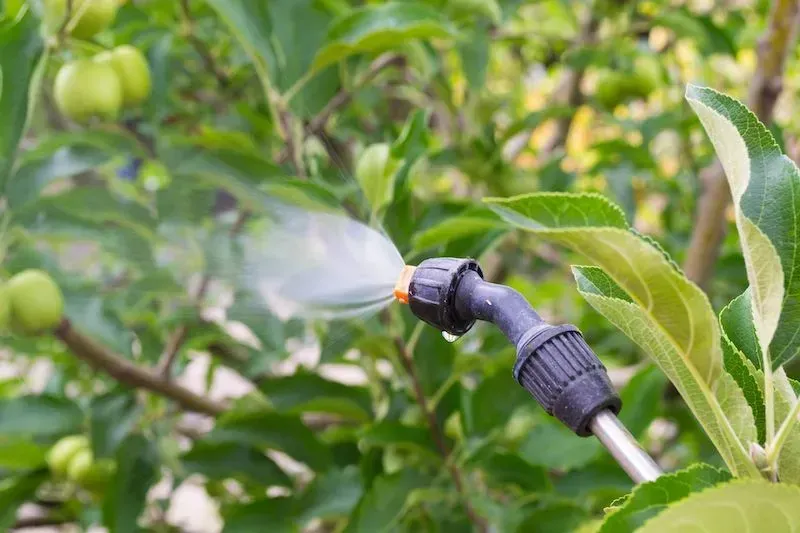
For home apple growers, neem oil can be a useful “helper” product in your spray program, but it works best as a supplement to, not a replacement for, your main disease and insect controls. This post walks through what neem is, the three main types, and how to integrate it safely into a realistic home-orchard schedule.
Neem oil is derived from the seeds of the neem tree (Azadirachta indica), a tropical tree whose seed compounds affect insects’ feeding, growth, and reproduction. In orcharding, neem products are used for:
· Suppressing soft-bodied insects like aphids, mites, and leafhoppers
· Providing some possible “soft” protection against powdery mildew and light scab
· Adding a lower-toxicity option into an integrated pest management (IPM) program
For most home apple growers, neem is best thought of as a finesse tool, something you layer on to reduce pest pressure and improve coverage, rather than your primary solution for scab, fire blight, or codling moth.
The Three Types of Neem Products
In garden centers and online, “neem oil” labels can be confusing. They’re not all the same product chemically or functionally. There are three main categories apple growers should recognize.
Cold-pressed neem oil is mechanically pressed from neem seeds with little or no heat or chemical solvents. It contains:
· Azadirachtin (the primary insect growth regulator component)
· Other limonoids and bitter compounds
· Fatty acids and glycerides (the oil base)
Functional traits:
· Broad, relatively “complete” neem profile
· Repellent and antifeedant to many insects
· Some insect growth regulator (IGR) activity
· Light fungistatic effects (especially on powdery mildew)
On labels, this often appears as “100% cold-pressed neem oil” or “neem seed oil” and is sold as a concentrate that you emulsify and dilute before spraying.
2. Clarified Hydrophobic Extract of Neem Oil
Clarified hydrophobic extract is neem oil that has been further processed. The manufacturer removes most or all azadirachtin and related active limonoids, leaving primarily the non-polar oil fraction (fatty acids and glycerides).
Functional traits:
· Works mainly as a contact suffocant on soft-bodied insects and mites (similar to other horticultural oils)
· Some utility on powdery mildew and surface fungi
· Less IGR/repellent effect compared with cold-pressed neem
This is what many “neem oil” fruit and ornamental RTU sprays actually contain. The active ingredient line often reads “clarified hydrophobic extract of neem oil (x%)”.
3. Azadirachtin (Neem Seed Extract)
Azadirachtin can also be isolated as a separate technical material. In that case, you get:
· A product that is essentially an insect growth regulator and feeding deterrent
· Very little of the oily carrier that gives suffocating/contact kill
These products are not usually sold simply as “neem oil.” They’re labeled by azadirachtin concentration and marketed for more professional or high-value uses (greenhouse, specialty crops). They shine against pests like fungus gnats, leafminers, and some whiteflies, but have limited usefulness alone against key apple pests such as codling moth or plum curculio.
Here is a concise reference table you can use when reading labels at the store or online:
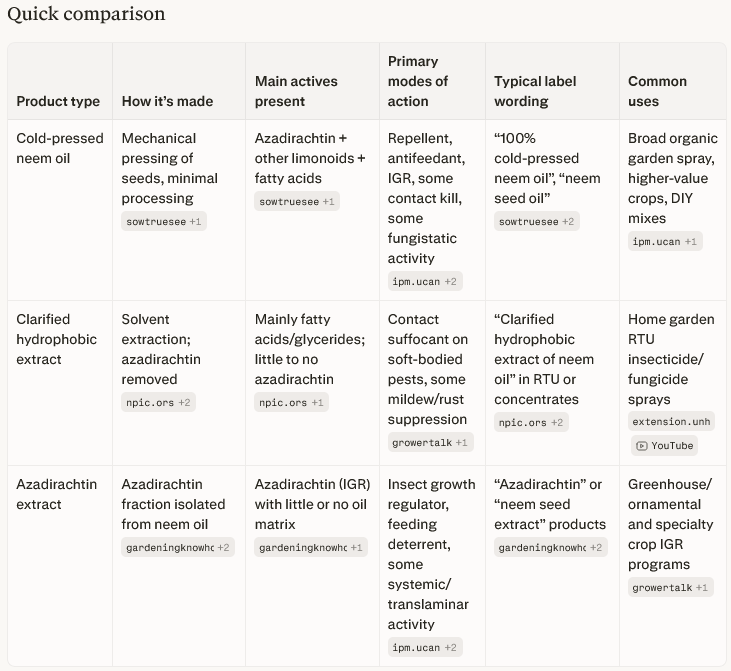
For most backyard apple growers, the first two categories—cold-pressed neem oil and clarified hydrophobic extract—are the ones you’re likely to use and are the focus of our post here.
What Neem Can and Cannot Do on Apples
It’s crucial to match expectations to reality. Neem is helpful, but it has clear limits in an apple block.
Neem products can:
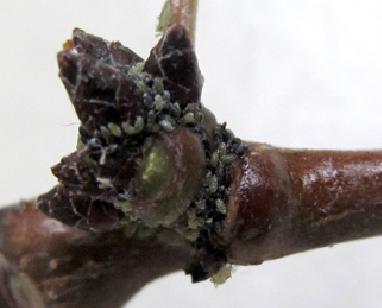
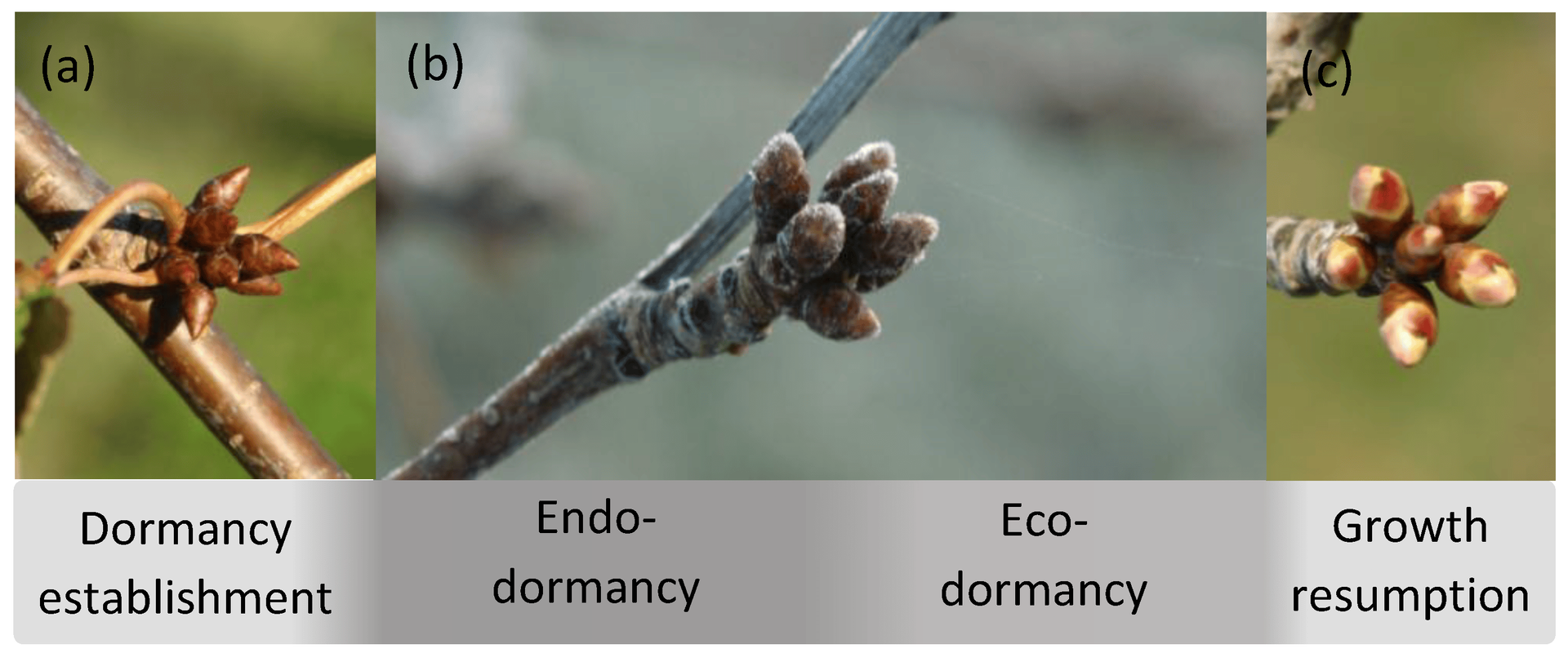
· Suppress aphids, mites, leafhoppers, and other soft-bodied or exposed insects as a delayed doramnt spray
· Provide partial suppression of powdery mildew and light scab pressure
· Fit into an organic or reduced-synthetic IPM program as a lower-toxicity, broad-spectrum helper
· Add some repellent and feeding-deterrent effects that reduce pest pressure between more targeted sprays
Used correctly, neem can reduce flare-ups of secondary pests and help keep foliage cleaner in a light-pressure year.
Neem alone is not a strong solution for the big, yield-threatening apple pests and diseases:
· Scab, rust, and serious powdery mildew under high pressure still require proper fungicide coverage (sulfur, captan, copper, or other labeled products).
· Fire blight requires a strategy built around resistant varieties, sanitation, and—when needed—specific bactericidal sprays, not neem.
· Key insect pests like codling moth, apple maggot, and plum curculio need more reliable materials (e.g., spinosad, carbaryl, or other regionally recommended options, or well-timed bagging/traps in low‑spray systems).
Think of neem as a supplementary layer of control for “small stuff,” not a stand-alone shield for your apples.
How to Fit Neem into a Home Orchard Spray Protocol
Below is a practical framework for using neem as a supplemental product in a realistic home-apple spray schedule. Always adjust to your local extension recommendations and label directions.
Main goals: reduce overwintering mite and aphid eggs, scale, and some early disease inoculum.
· Primary tools: conventional dormant oil (or a neem product labeled for “dormant” use) plus, where appropriate, lime sulfur or copper.
· Role of neem: you can use a neem-based “dormant” oil if the label allows apples and dormant-rate application. The value here is more about oil action than the neem chemistry itself.
Key notes:
· Apply on a mild day when trees are fully dormant and not stressed.
· Avoid mixing with sulfur unless the label and extension guidance explicitly permit it, and respect any waiting interval between sulfur and oil.
Main goals: protect blossoms and young fruitlets from scab, powdery mildew, rust, fire blight, and early-feeding insects like plum curculio.
· Primary tools: scab and mildew fungicides (e.g., sulfur, captan, or other labeled products), plus insecticides where needed for PC and early codling moth.
· Role of neem: limited. Oils (including neem) are generally avoided in full bloom to protect bees and pollinators, and they are weaker than dedicated fungicides and insecticides for the main threats in this window.
If you use neem here at all:
· Make sure your product is explicitly labeled for use during these stages and for bees, beneficials and pollinators (many labels advise against bloom-time use).
· Spray in the evening or at dusk, when bees are not foraging.
· Keep expectations modest; neem is not going to replace your main fungicide or insecticide in this critical window.
Main goals: maintain disease control and manage foliar pests during shoot growth and early fruit development.
This is where neem can do its best work as a supplement.
How to integrate neem:
· Continue your core fungicide program for scab and mildew on the schedule recommended by your regional guide.
· Add neem (cold-pressed or clarified hydrophobic extract labeled for apples/fruit trees) on cover sprays when you specifically want extra pressure on:
- Aphids and leafhoppers
- Spider mites
- Light powdery mildew on leaves and shoots
- Japanese Beetle (Cold Pressed Neem w/Azadiractin)
· Use label rates and intervals (often 7–14 days), and avoid spraying during very hot, bright conditions to reduce risk of leaf burn or russeting.
· Apply at dusk or early evening for reduced stress on foliage and beneficials.
If your standard spray is, for example, sulfur + captan for scab and a periodic spinosad for insects, you might:
· Use neem on selected cover sprays when you notice rising aphid or mite activity, or when you’ve had enough dry weather that powdery mildew is creeping in.
· Skip neem on sprays closely following a sulfur application if your product or extension guidance warns against oil–sulfur combinations.
As fruit approach maturity:
· Monitor labels for preharvest interval (PHI) on your neem product. Some require several days between last spray and harvest.
· Late-season neem can help keep late aphid colonies, mites, and superficial mildew in check, especially if you’re trying to keep fruit surfaces clean with softer materials.
Again, neem doesn’t replace your need to manage codling moth or apple maggot with appropriately timed measures earlier in the season. By the time you see wormy fruit, neem is not going to solve that problem.
Safety, Compatibility, and Practical Tips
Before anything else, confirm that:
· Apples or “pome fruits” are explicitly listed on the label
· You understand the allowed spray interval and PHI
· The product specifies whether it can be mixed with other fungicides or insecticides you use
Every neem formulation is a little different, so don’t assume all neem products behave the same.
Avoid Oil–Sulfur Conflicts
A classic orchard rule of thumb:
· Do not apply sulfur and oil (including neem oil products) too close together, particularly in warm weather.
· Many labels and extension resources suggest waiting several days between sulfur and oil applications to reduce phytotoxicity and russeting risk.
If your main disease program is sulfur-heavy, plan your neem sprays so they don’t bump directly up against sulfur.
Neem, like other oils, can increase the risk of leaf burn and fruit russeting under hot, bright conditions.
· Avoid spraying during the hottest part of the day or when temperatures exceed label limits.
· Favor evening applications with good drying time ahead of any overnight dew or rain.
To protect pollinators and beneficial insects:
· Avoid spraying neem during bloom, especially when bees are actively foraging.
· Prefer dusk or late evening for in-season sprays.
· Use only when you have a defined need (identified pest or disease pressure), rather than on a rigid “just because” schedule.
Putting It All Together: Neem as a Supplemental Tool
For a typical home apple grower, a sensible way to use neem might look like this:
· Keep your established core program for scab, rust, powdery mildew, fire blight, codling moth, and apple maggot (following your state’s home-orchard guide).
· Use neem in-season to:
o Knock down aphids, mites, and leafhoppers when they start to build
o Add a little extra “soft” coverage against powdery mildew on leaves
o Integrate a low-toxicity option that supports a more IPM-oriented orchard
With that framing, neem becomes a flexible add-on that improves the health and appearance of your trees, rather than a miracle cure you’re relying on to do everything.
This publication contains pesticide recommendations that are subject to change at any time. These recommendations are provided only as a guide. It is always the pesticide applicator's responsibility, by law, to read and follow all current label directions for the specific pesticide being used. Due to constantly changing labels and product registration, some of the recommendations given in this writing may no longer be legal by the time you read them. If any information in these recommendations disagrees with the label, the recommendation must be disregarded. No endorsement is intended for products mentioned, nor is criticism meant for products not mentioned. The author assumes no liability resulting from the use of these recommendations.
Backyard Orchard Management @ Royal Oak Farm Orchard
Backyard Orchard Management @ Royal Oak Farm Orchard is a blog for the home fruit tree grower providing information about fruit tree management, fruit tree pruning & training and Integrated Pest Management from the IPM Specialist and Certified Nurseryman at Royal Oak Farm Orchard, a 22,000 tree apple orchard and agri-tourism operation located in Harvard, Illinois.
Click or tap any title to read that post.