Delayed Dormant Oil Sprays
Best Timing for Delayed Dormant Oil Sprays
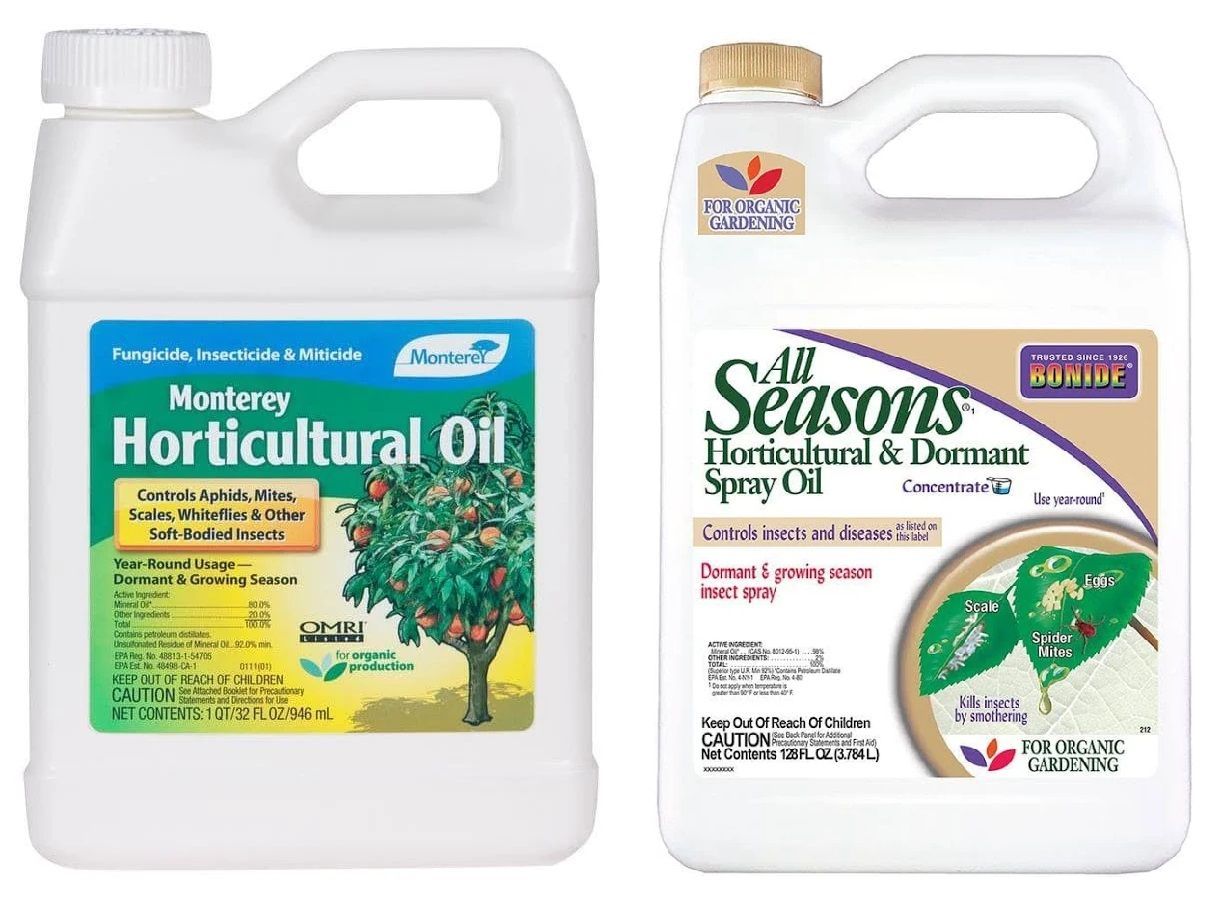
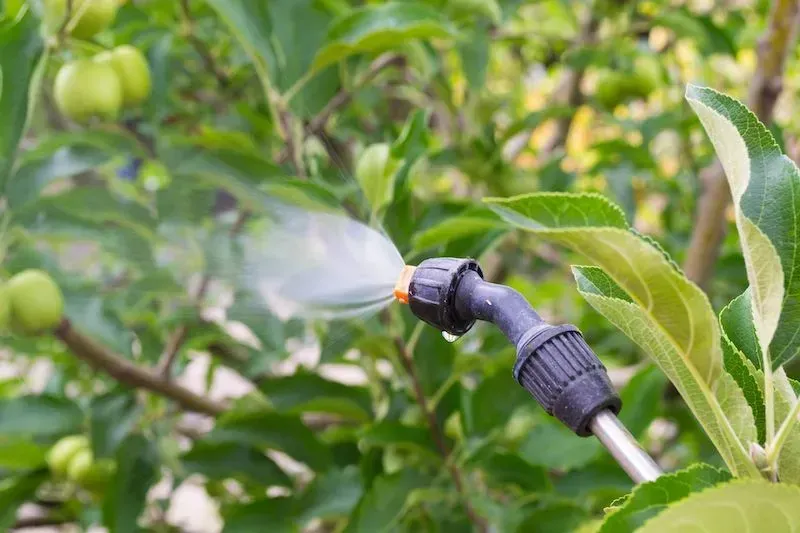
Delayed dormant horticultural oil is a long‑established tool in apple IPM, but its effectiveness and crop safety depend almost entirely on precise phenological timing and temperature conditions, rather than on the calendar alone. The optimum window for application is late winter to very early spring, from green‑tip through roughly ¼–½ inch green, and not in late fall or early winter, because both insect physiology and host sensitivity make mid‑winter sprays largely ineffective and potentially risky.
Concept and mode of action of delayed dormant oil:
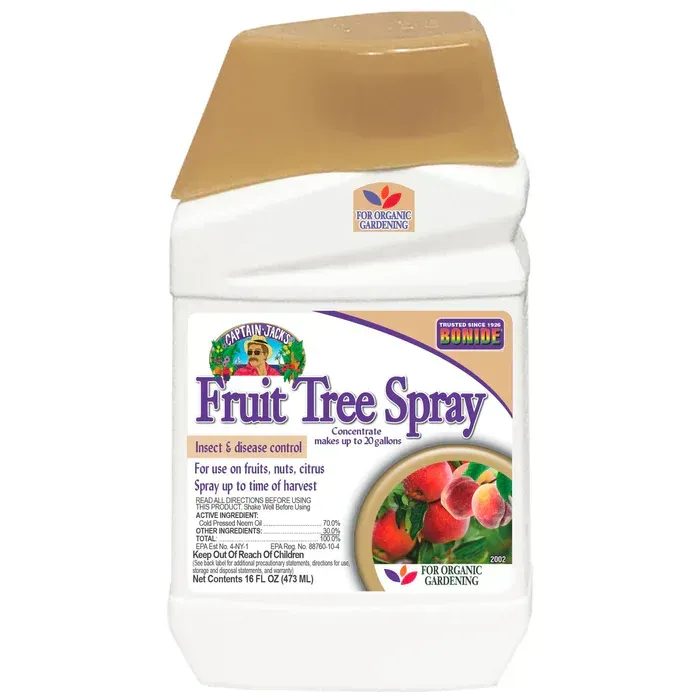
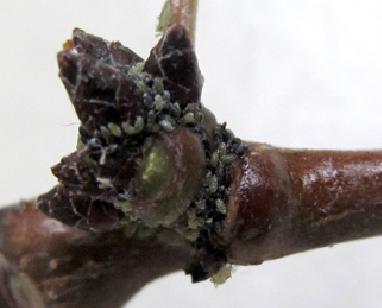
Delayed dormant horticultural oils are highly refined petroleum‑based or plant‑derived oils used at relatively high rates to suppress overwintering arthropod pests such as scale, aphids, and mites on apple trees. Their primary mode of action is physical: the oil forms a film that blocks spiracles, leading to suffocation of eggs and exposed stages, rather than acting as a conventional neurotoxic insecticide. Because of this mode of action, the physiological state of the pest at the time of application—especially its respiration rate—is critical to achieving lethal effects, which directly links efficacy to temperature and seasonal timing.
Optimum phenological timing: green‑tip to ½ inch green:
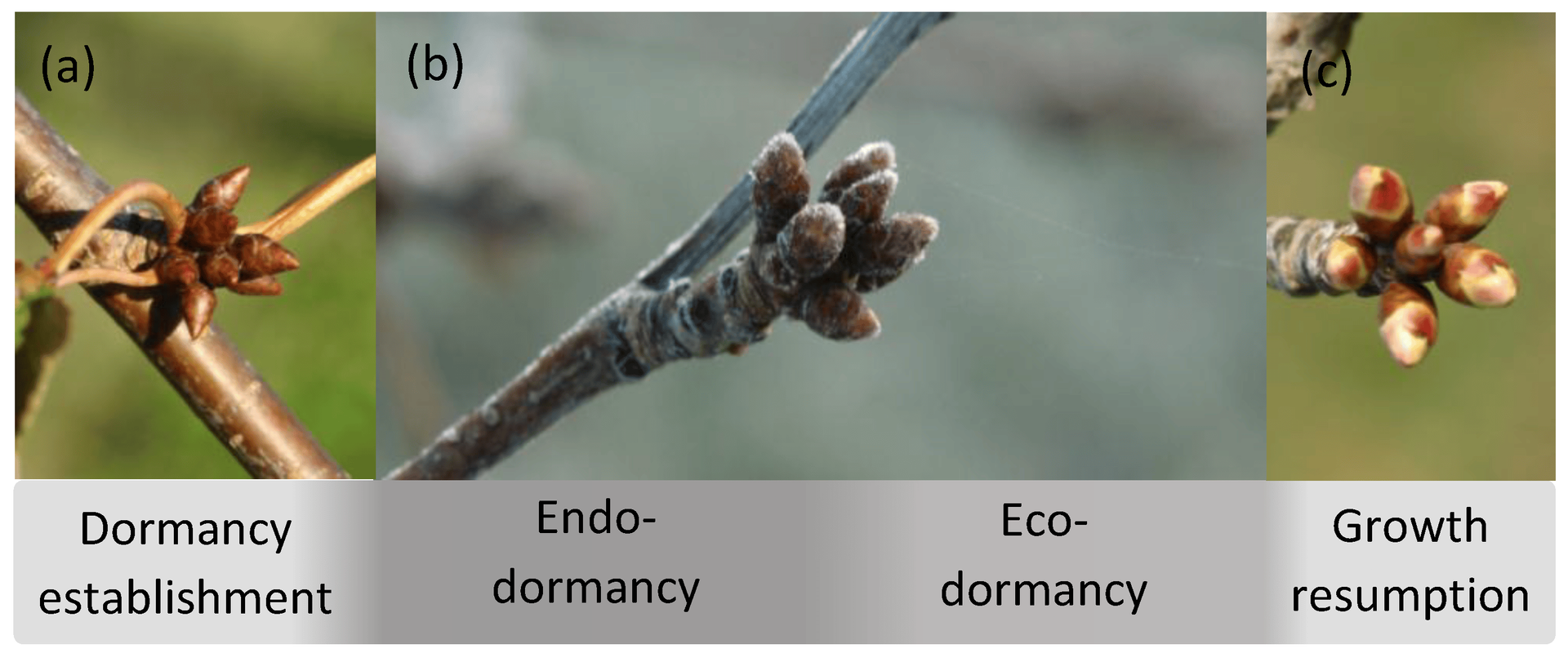
Across extension recommendations, the optimum timing for delayed dormant oil on apples is consistently defined by bud development stages rather than calendar dates. The commonly cited window is from first green‑tip (when leaf tissue just becomes visible as buds crack) through approximately ¼–½ inch of exposed green tissue, which aligns with late winter to very early spring in most temperate production regions. Within this interval, overwintering scales, aphids, and mites are beginning to resume metabolic activity as temperatures moderate, so respiration rates are sufficient for the suffocation mechanism of oil to be lethal, while the developing foliage and blossom tissue are still relatively tolerant of properly applied oil at labeled rates.
In practical terms, this means that in many continental climates (e.g., USDA zones 4–7) the effective window often falls sometime from late March to mid‑April, but this can be several weeks earlier in milder zones or later in colder sites; hence, phenology is the primary guide and the calendar is strictly secondary. The delayed dormant oil spray is often integrated with, or closely sequenced around, other early‑season treatments such as copper for fire blight or scab, with caution to avoid phytotoxic interactions where labels advise against tank‑mixing or close intervals between products.
Temperature constraints for efficacy and safety:
Temperature thresholds serve both efficacy and phytotoxicity considerations for delayed dormant oil applications. Most guidance recommends applying oil only when daytime temperatures are at least in the low‑ to mid‑40s °F and are expected to remain above freezing for a minimum of 24 hours following application, as cold conditions suppress pest respiration and increase stress on the host tree. Under these milder late‑winter conditions, overwintering pests are sufficiently physiologically active for the oil film to exert a lethal suffocation effect, while the risk of cold injury exacerbated by a wetted, oil‑coated surface is much lower than in mid‑winter.
Conversely, high temperatures and intense sunlight later in the season elevate the risk of phytotoxicity, especially when oil is applied near or above roughly 85–90 °F or in combination with certain fungicides or insecticides that are known to interact adversely with oil films. This further reinforces the notion that delayed dormant oil is a narrow‑window tool: it is intended for a specific range of cool but not freezing temperatures and for specific bud stages, rather than being a general‑purpose spray to be used whenever convenient.
Why late fall and early winter are inappropriate:
From an entomological standpoint, late fall and early winter are poor times for delayed dormant oil on apples because the target pests are in a low‑metabolic, overwintering state. As temperatures fall and daylength declines, scales, mites, and aphids reduce their respiration rates dramatically, which means that even if a film of oil coats eggs or resting stages, the organisms are not “breathing” enough for spiracle blockage to produce rapid mortality, leading to markedly reduced control relative to late‑winter applications. Multiple extension publications emphasize that dormant or delayed dormant oils are intended as late‑winter or early‑spring sprays, warning that mid‑winter applications (late fall through early winter in cold climates) are “not effective” in controlling the intended pest complex, thereby wasting materials, labor, and spray opportunities that could otherwise be optimally timed.
In addition to weak pest suppression, plant safety considerations argue against late fall and early winter oil use. An oil‑coated surface can interact with subsequent extreme cold, increasing the risk of cold injury to bark and buds if a hard freeze follows shortly after application, particularly on stressed or marginally hardy trees; this risk is inherently greater when spraying during the coldest part of the year. Because late fall and early winter weather are highly variable and often punctuated by freezes, freeze–thaw cycles, and desiccating winds, the probability of encountering injurious post‑spray conditions is higher than in the more predictable late‑winter window commonly recommended for delayed dormant sprays.
Practical implications for IPM in diverse climates:
For most temperate apple‑growing regions, the practical implication is that delayed dormant oil should be reserved for a relatively narrow window just prior to or shortly after bud swell, as buds move from tight dormant scales through green‑tip toward ½ inch green. This approach concentrates oil applications at the moment when overwintering pest populations are both physiologically vulnerable and still exposed on woody tissues, while host tissues are sufficiently tolerant and weather conditions can be selected to avoid both freezing and excessive heat. In contrast, using oil in late fall or early winter, simply because the trees are leafless and “dormant,” provides little pest control benefit and introduces unnecessary risk of cold‑related injury or wasted applications, making such timing inconsistent with both modern IPM and contemporary extension recommendations.
This publication contains pesticide recommendations that are subject to change at any time. These recommendations are provided only as a guide. It is always the pesticide applicator's responsibility, by law, to read and follow all current label directions for the specific pesticide being used. Due to constantly changing labels and product registration, some of the recommendations given in this writing may no longer be legal by the time you read them. If any information in these recommendations disagrees with the label, the recommendation must be disregarded. No endorsement is intended for products mentioned, nor is criticism meant for products not mentioned. The author assumes no liability resulting from the use of these recommendations.
Backyard Orchard Management @ Royal Oak Farm Orchard
Backyard Orchard Management @ Royal Oak Farm Orchard is a blog for the home fruit tree grower providing information about fruit tree management, fruit tree pruning & training and Integrated Pest Management from the IPM Specialist and Certified Nurseryman at Royal Oak Farm Orchard, a 22,000 tree apple orchard and agri-tourism operation located in Harvard, Illinois.
Click or tap any title to read that post.