Mid-Winter Preparations for the Apple Growing Season
What should the backyard apple grower be doing in February to prepare for the growing season?
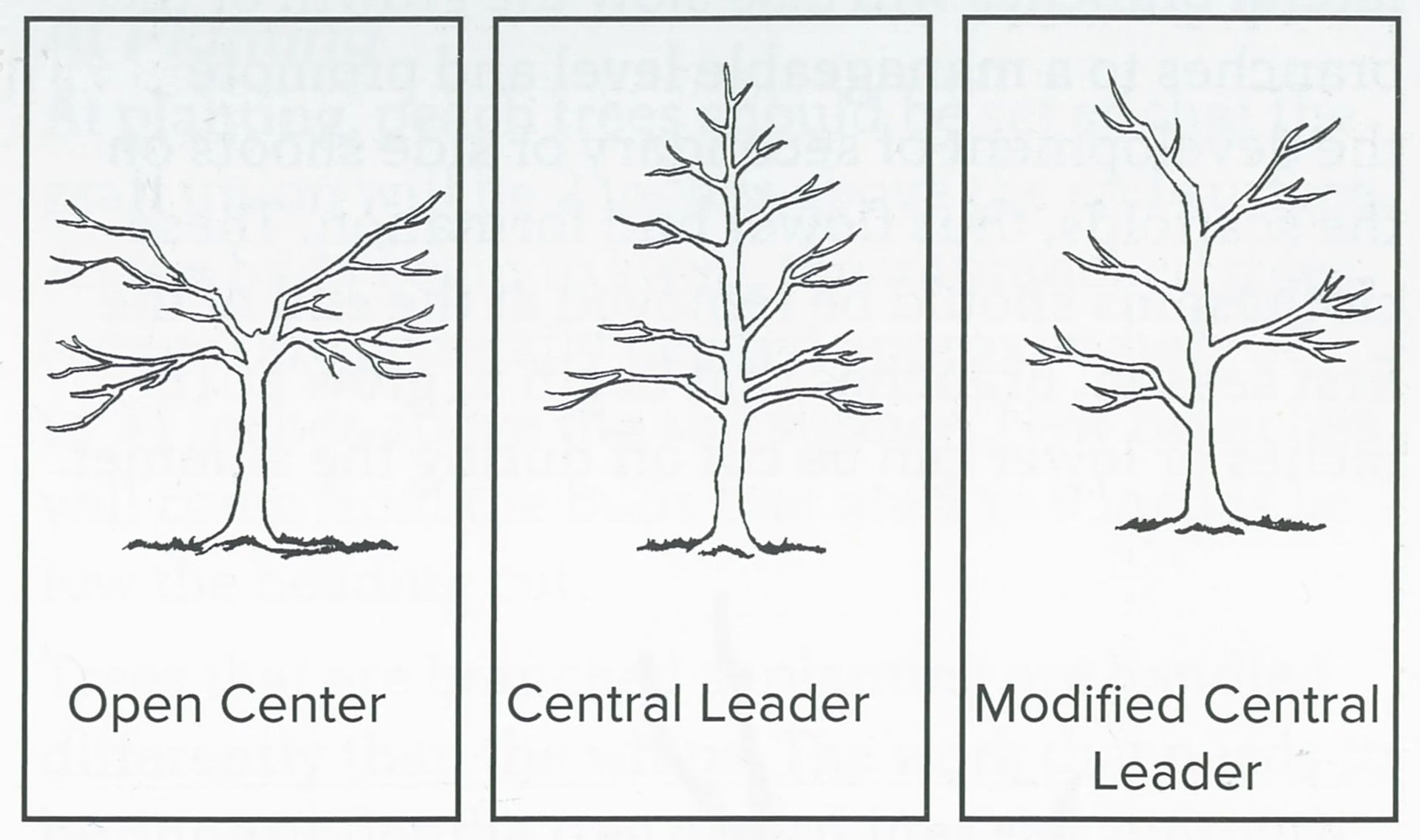
In the Upper Midwest and New England states, February is mainly a time for planning, possible pruning, inspection, and getting your spray and IPM program staged, while holding off on oils and most sprays until closer to bud swell. Here's a checklist to get you started.
- · Begin main dormant pruning late February if the long‑range forecast shows you past the worst arctic events but still well before bud swell.
- · Focus on removing dead, diseased, damaged, and crossing branches, then thin for light penetration and fruiting wood renewal rather than heavy heading cuts.
- · Avoid over‑pruning older, semi‑dwarf trees; taking too much wood at once can overstimulate vegetative growth and delay fruiting.
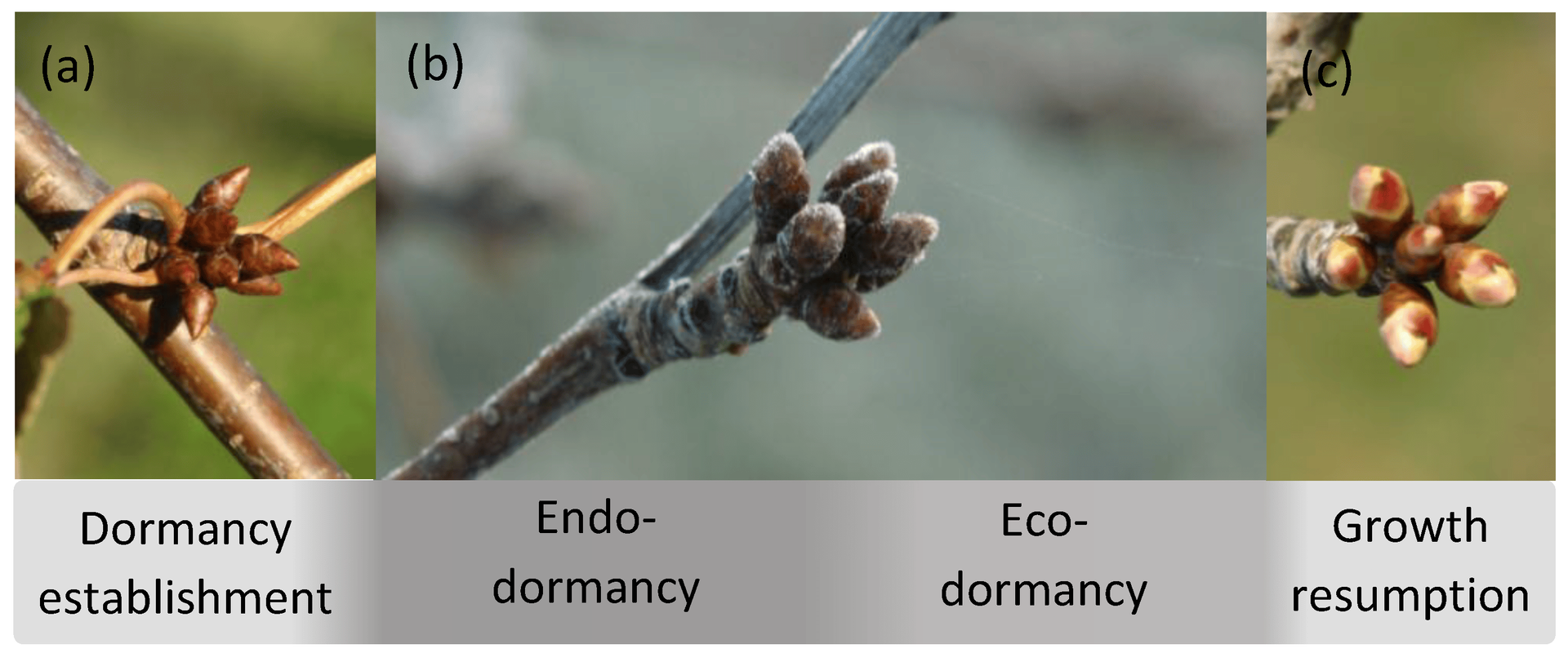
- · Do not rush dormant/delayed‑dormant oil in February; oils are markedly more effective and safer when timed close to bud break (green tip to about ¼–½ inch green) rather than in deep winter.
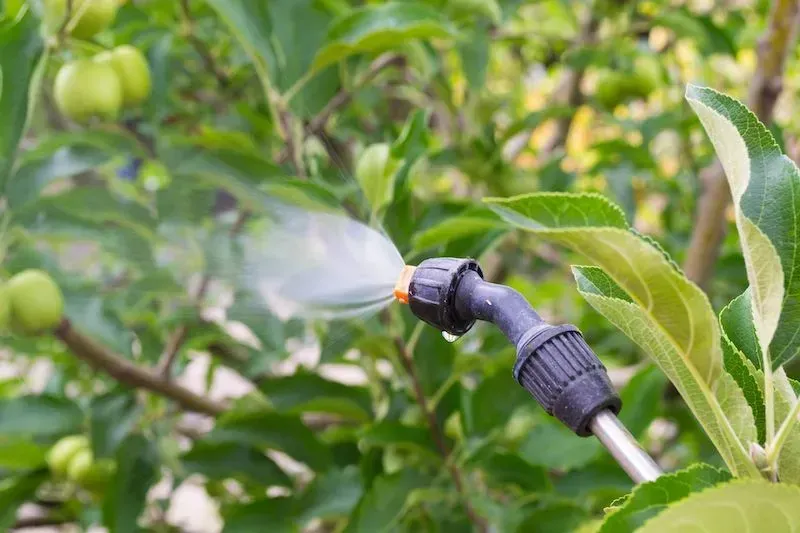
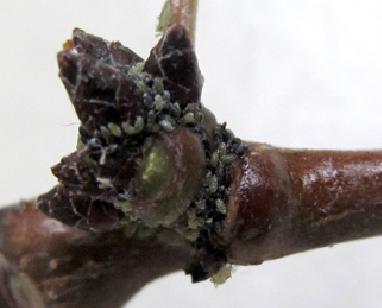
- · Plan your early‑season program now: decide whether you will apply a delayed‑dormant oil for mites/aphids/scale and possibly a copper for scab or canker, then watch phenology so you can spray once daytime highs and overnights are consistently above about the low‑40s with no freeze immediately after.
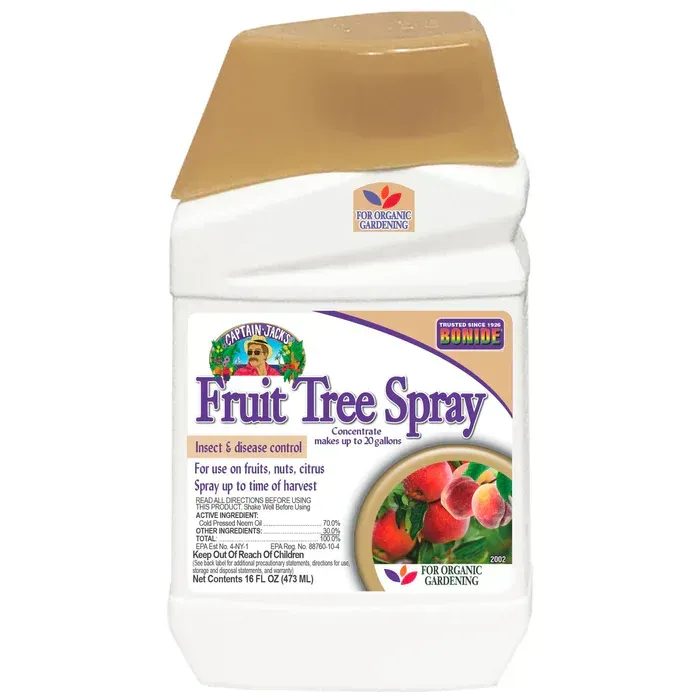
- · Inventory materials (oil, copper, fungicide of choice, sprayer parts, calibration gear) and check labels for timing/PHI/REI so you are not improvising once buds move.
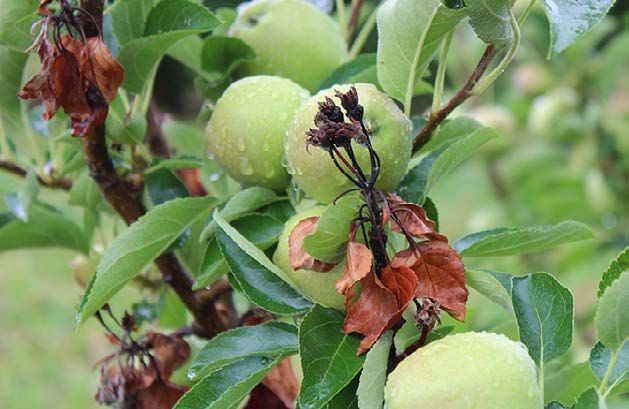
- · Continue or finish winter sanitation: remove and dispose of any mummified fruit, cankered twigs, and remaining scabbed leaves or prunings from under the canopy to reduce disease and pest inoculum.
- · If soil is workable during a thaw, verify drainage around the root zone; chronic wet spots in late winter/early spring predispose trees to root and collar issues.
- · Confirm staking or structural support on any young or top‑heavy trees so late winter winds do not rock the root system.
Nutrition, soil, and planting plans
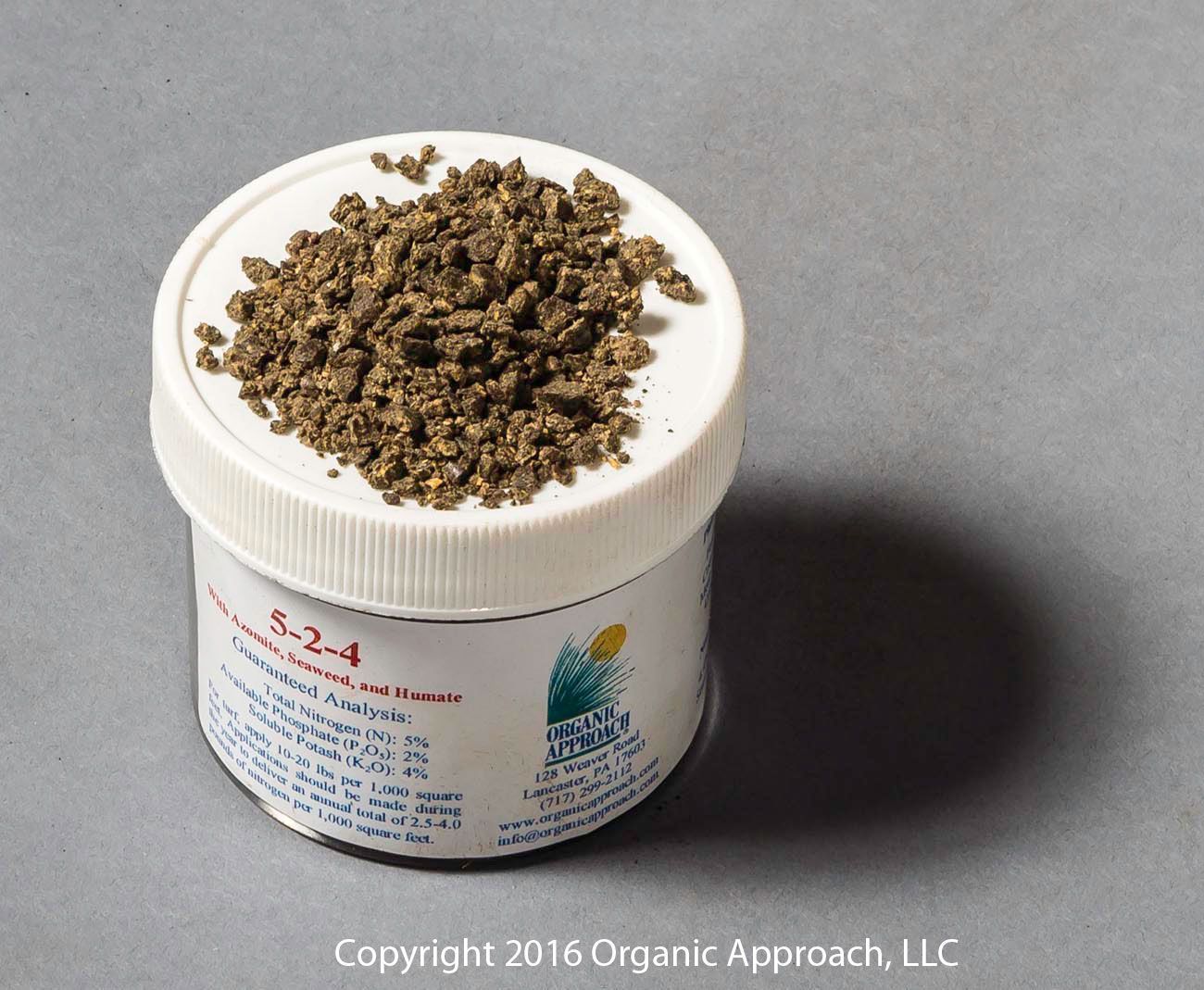
- · Use February to review soil tests, plan any spring nutrient applications (especially N and possible boron or other micronutrients if you have documented deficiencies), and reconcile those rates with lawn fertilizer if trees sit in turf.
- · Order any new trees, rootstocks, or replacement plantings so you are ready to plant in early spring (late March–April) once soil is thawed and workable.
- · For new or young trees, plan training systems (central leader, tall spindle, etc.) so your late‑winter pruning and first‑year training are aligned.
Monitoring, records, and IPM planning
- · Review last season’s notes on scab, codling moth, aphids, mites, and other pests to refine your threshold and spray/organic control plans for the coming season.
- · Map out trap placement (e.g., codling moth, apple maggot) and phenology‑based actions on a calendar keyed to bud stages rather than fixed dates, especially for oils and first fungicide covers.
- · Inspect bark and scaffold unions for borers, cankers, or mechanical damage now, when the framework is clearly visible, and flag any trouble spots to address during pruning or at the appropriate spray window.
In summary, keep apple trees dormant but not neglected by doing structural pruning, removing problem wood, and keeping trees at a manageable size. Apply dormant oil (and, if needed, fungicide) on suitable days in early spring to knock back overwintering pests and diseases before buds swell. Clean up old fruit and leaves, protect trunks from rodents, and line up your plans for fertilization, new plantings, and pest management so the orchard is ready to move when spring arrives. Consult the Apple Tree Growing Guide web page for any resources you may need as you prepare for the coming growing season.
This publication contains pesticide recommendations that are subject to change at any time. These recommendations are provided only as a guide. It is always the pesticide applicator's responsibility, by law, to read and follow all current label directions for the specific pesticide being used. Due to constantly changing labels and product registration, some of the recommendations given in this writing may no longer be legal by the time you read them. If any information in these recommendations disagrees with the label, the recommendation must be disregarded. No endorsement is intended for products mentioned, nor is criticism meant for products not mentioned. The author assumes no liability resulting from the use of these recommendations.
Backyard Orchard Management @ Royal Oak Farm Orchard
Backyard Orchard Management @ Royal Oak Farm Orchard is a blog for the home fruit tree grower providing information about fruit tree management, fruit tree pruning & training and Integrated Pest Management from the IPM Specialist and Certified Nurseryman at Royal Oak Farm Orchard, a 22,000 tree apple orchard and agri-tourism operation located in Harvard, Illinois.
Click or tap any title to read that post.