Fire Blight After “Full” Strep Sprays: Why It Still Happens
Why Would You Still Get Fireblight After Doing Strep Sprays?
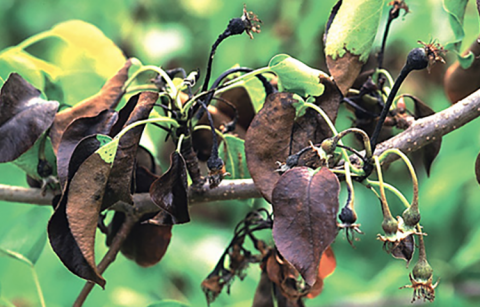
Even when you follow the label, hit every bloom spray, and feel like you’ve “done everything right” with streptomycin, fire blight can still explode in an apple block. On paper that sounds like a chemistry failure, but in reality it’s almost always about biology, timing, and inoculum sources that antibiotics simply can’t touch.
This post walks through the main reasons you can still get blossom and shoot blight after a full streptomycin program, and what to tighten in your management to actually move the needle.
1. What strep can and cannot do
- Streptomycin is strictly preventative on flowers; it does not cure infections once E. amylovora is inside tissues or established in cankers or shoots.
- It is highly effective on blossom blight when applied in the 24 hours before–to–very shortly after an infection event, but has very little impact on canker or shoot blight.
- Standard recommendations explicitly say not to use streptomycin for canker or shoot blight management because it’s ineffective there and drives resistance.
So......if you have overwintering cankers or previously colonized shoots, “full” bloom sprays won’t touch those infection sources.
2. Timing vs. biology and NEWA risk (if you have NEWA access)
Even if you hit all labeled bloom sprays, fire blight biology can still get around them.
- Flower colonization can go from near-zero to over one million cells per flower in 1–2 days when you’re sitting in the 70s–low 80s and it’s sunny.
- NEWA/CougarBlight style guidance stresses that sprays need to precede each infection event and account for new open flowers; if you have several consecutive high-risk days, you may need strep every 2–3 days to cover the constantly opening bloom.
- If any high-risk infection period occurs with a big cohort of flowers open and no strep on within that 24‑hour window (before or very shortly after the wetting event), those flowers are essentially unprotected even though you “did full sprays” that week.
Typical leaks:
- One big gap in coverage because rain delayed spraying or sprayer logistics slipped half a day behind the model.
- Long drawn-out bloom on certain cultivars that outlasts your last strep shot.
- Late king-bloom stragglers, side bloom on vigorous 2–3‑year wood, or bloom on young trees that don’t line up with main-block timing.
3. Cankers, rootstocks, and internal movement
You may still get blight even if you did an excellent job on blossom blight because......the pathogen is already inside the tree.
- E. amylovora overwinters in cankers on trunks and branches; in spring, warm wet weather lets it multiply and ooze, and insects, rain splash, and wind carry it to new tissues.
- Once it invades woody tissues, it forms cankers, then cells can migrate internally into adjacent shoots and rootstock tissues well ahead of any visible symptoms, moving on the order of inches per day in growing tissue.
- Dwarfing rootstocks like M.9 and M.26 are notoriously more susceptible; internal movement on these can manifest as sudden, severe blight even when blossom management looked tight.
So......if your orchard already has cankers, the “disease pressure background” is high, and strep at bloom won’t erase that reservoir.
4. Non-bloom infection routes: trauma and vegetative shoot blight
Full bloom coverage doesn’t address trauma- or shoot-driven infection after petal fall.
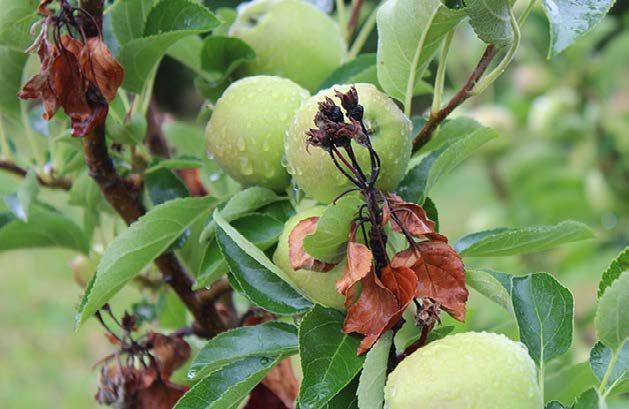
- Young, actively growing shoots are extremely susceptible and can be infected by bacteria from cankers, insects, or weather damage any time they’re growing.
- High winds, hail, and mechanical injury (pruning, mowers, pickers, animals) create wounds that can be colonized rapidly; this is classic trauma blight.
- Recommended use of strep after trauma events is very narrow: ideally within 4–12 hours after hail/strong wind injury if you have active cankers in the block; beyond about 24 hours, efficacy drops sharply because the bacteria have already invaded.
So......if your “full sprays” were only bloom‑timed, and you later got a storm, hail, or vigorous shoot growth with aphids/leafhoppers moving inoculum, you can still end up with significant shoot blight.
5. Coverage, deposition, and unsprayed inoculum reservoirs
Even in a commercial block with good equipment, coverage can be imperfect.
- Flowers and young shoots in the inner canopy or on the lee side of the tree may not receive adequate spray, especially in tall spindle/high-density plantings with high vigor and dense canopies.
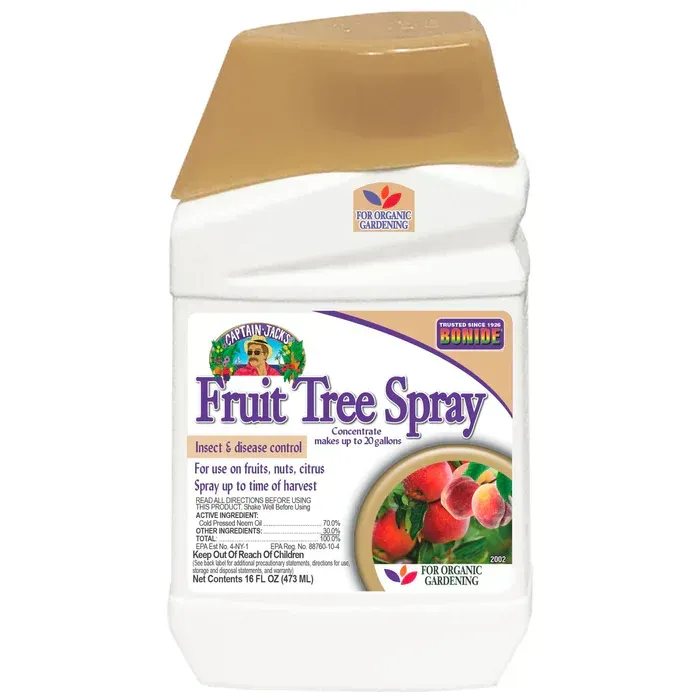
- Early-season copper is often recommended to suppress E. amylovora inoculum on bark and woody tissues across the whole orchard; if you only treat “problem cultivars,” tolerant cultivars can still act as inoculum reservoirs once copper protection disappears.
- Leaving some trees or rows unsprayed (access issues, sprayer malfunction, overlap gaps) can create hot spots that later source bacteria into fully treated areas via pollinators and weather.
So......in practice, even minor coverage gaps at bloom or in early copper can explain why one corner or cultivar row gets hammered despite “full” strep on your spray log.
6. Strep resistance and label limits
In some regions, resistance is now a real reason for bloom program failure.
- Overuse of streptomycin, especially sprays applied after bloom or to “clean up” visible symptoms, has selected for strep‑resistant E. amylovora populations in multiple production regions.
- Where resistance is present, blossom blight can occur even under a textbook strep program because the pathogen is no longer sensitive at labeled rates.
- This is why modern recommendations emphasize: use strep only during bloom, only when models say risk is present, and keep total applications low (often 2–4 per season max).
So......if you’re seeing unexplained failure in blocks with a long history of heavy post-bloom or insurance strep use, resistance testing would be warranted.
7. Tree vigor, nutrition, and cultivar/rootstock
Host factors can turn a marginal infection into a blow-up.
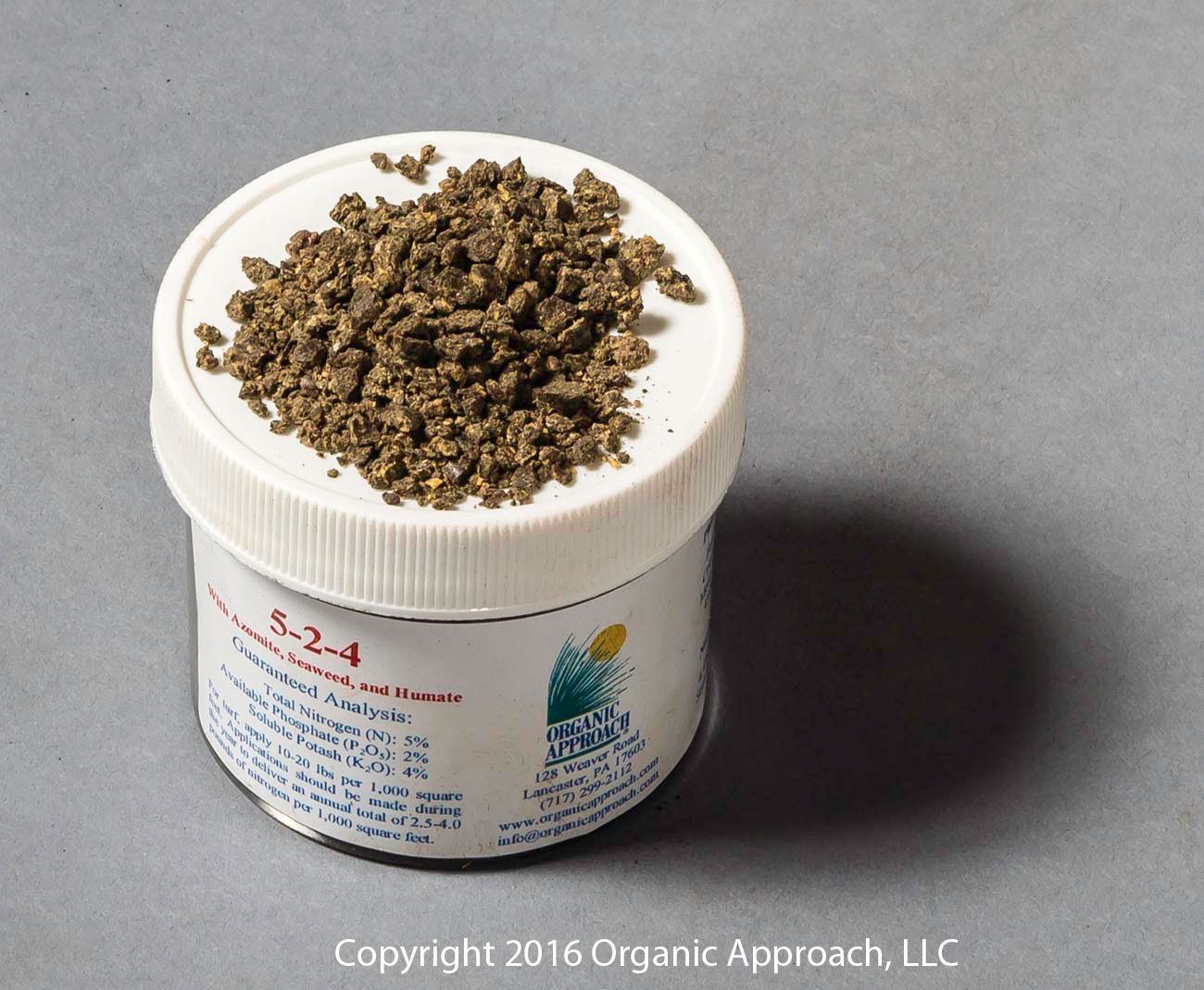
- High nitrogen status and very vigorous growth (e.g., young high-density plantings, strongly fertigated blocks) are associated with higher fire blight susceptibility, especially shoot blight.
- Some cultivars and rootstocks are inherently more susceptible, and even “resistant” cultivars lose that advantage when tissues are damaged by frost, hail, or wind.
- Dwarf rootstocks like M.9 and M.26 again show up as vulnerable, especially to rootstock blight when scion infections are present.
So......in a block with high vigor and susceptible rootstock, mere containment of blossom infections may not be enough to prevent explosive shoot blight later.
8. How to tighten a “full” program
Given all the above, here’s how growers can refine programs when they’re already doing full strep sprays:
- Make sure bloom sprays are driven by a model (NEWA/CougarBlight), not the calendar, and that each infection event with open bloom has coverage within the effective window.
- Combine a robust, whole-orchard early copper program to knock back inoculum on woody tissues, especially where there’s a known canker load.
- Aggressively prune out and burn cankers and first-strike shoots as early as possible to reduce internal and external inoculum movement.
- Reserve post-bloom strep strictly for genuine trauma events, timed within hours, and avoid routine “clean-up” use to limit resistance selection.
- Adjust vigor (N, irrigation, pruning) and be especially conservative with strep and copper on highly susceptible cultivar/rootstock combinations.
So......even if you had a high-risk bloom period with intermittent showers and temps in the 70s, and you sprayed strep just before first bloom but then waited 4–5 days to spray again, the big wave of later-opening flowers could have been colonized during the gap, even though your records show “two full bloom streps.”
The biology of fire blight doesn’t change whether you have 5 trees or 5,000. The main differences are tools and scale.
- Commercial growers have access to antibiotics, specialized copper products, biocontrols, and weather-based decision tools (like NEWA) to time sprays very precisely.
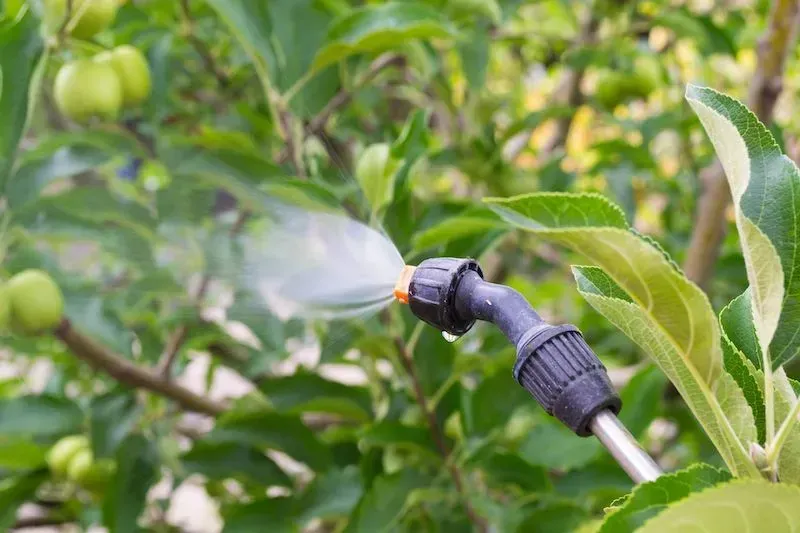
- Backyard growers often have fewer labeled products and smaller sprayers, so pruning, sanitation, careful fertilizing, and basic copper/streptomycin timing (where legal and labeled) become the main tools.
In both cases, the key idea is the same: don’t rely on streptomycin alone. Think of it as one piece in a larger fire blight strategy that includes good timing, canker cleanup, storm and vigor management, and smart variety and rootstock choices.
This publication contains pesticide recommendations that are subject to change at any time. These recommendations are provided only as a guide. It is always the pesticide applicator's responsibility, by law, to read and follow all current label directions for the specific pesticide being used. Due to constantly changing labels and product registration, some of the recommendations given in this writing may no longer be legal by the time you read them. If any information in these recommendations disagrees with the label, the recommendation must be disregarded. No endorsement is intended for products mentioned, nor is criticism meant for products not mentioned. The author assumes no liability resulting from the use of these recommendations.
Backyard Orchard Management @ Royal Oak Farm Orchard
Backyard Orchard Management @ Royal Oak Farm Orchard is a blog for the home fruit tree grower providing information about fruit tree management, fruit tree pruning & training and Integrated Pest Management from the IPM Specialist and Certified Nurseryman at Royal Oak Farm Orchard, a 22,000 tree apple orchard and agri-tourism operation located in Harvard, Illinois.
Click or tap any title to read that post.